
For decades, French Polynesia existed in the popular imagination as a single postcard: Bora Bora, overwater bungalows, and a honeymoon destination for those who could afford the dream. That image, while still potent, no longer tells the full story. Behind the turquoise lagoons, a deliberate tourism strategy is reshaping how this remote overseas collectivity of France presents itself to the world, and to its single largest source of visitors, the United States.
In 2025, The Islands of Tahiti, the international brand name for French Polynesia's 118 islands spread across five archipelagos, welcomed 281,227 tourists, the highest total ever recorded and the third consecutive year of record visitation. Visitor numbers climbed 6.6% year-over-year, according to the Institut de la Statistique de la Polynésie Française (ISPF). The United States alone accounted for 108,503 arrivals, a 22% rise compared to pre-pandemic 2019 figures.
"The American market is absolutely critical," said Vaihere Lissant, CEO of Tahiti Tourisme. "North America accounts for roughly 42% to 45% of our visitors, with the United States as our leading source market."
For West Coast travelers, the destination is more accessible than its reputation suggests. Direct flights from Los Angeles take approximately eight hours, with Air Tahiti Nui and Air France operating regular service, while additional services are available from San Francisco. The distance, officials argue, is part of the appeal.
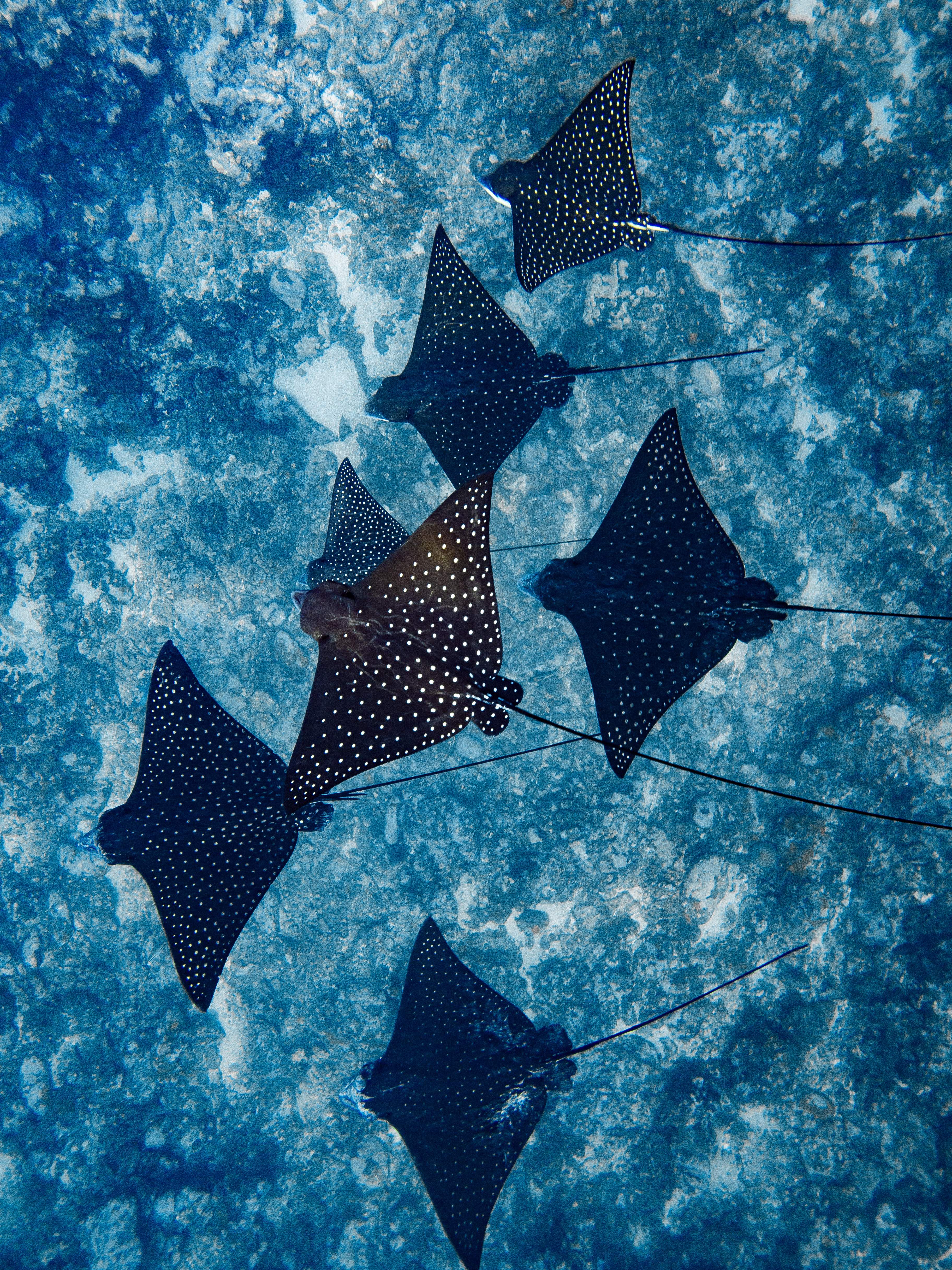
"In a world marked by uncertainty, our remoteness in the Pacific has become a strength," Lissant said. "We offer a safe, preserved environment where travelers can reconnect, with nature, with loved ones, and with themselves."
That philosophy of intentional smallness is central to the territory's identity. Ninety percent of cruise ships operating in its waters carry fewer than 500 passengers, and tourism policies favor managed growth over mass tourism. Islands like Maupiti and Raivavae have chosen to permit only small guesthouses, a decision the leadership has pledged to respect.
"Our objective is not simply to welcome more visitors, but to attract travelers who value authenticity, culture, and meaningful connections with the destination," Lissant said.
With roughly 280,000 inhabitants and 281,000 tourists annually, the territory maintains an almost exact one-to-one resident-to-visitor ratio. Studies suggest destinations can sustain up to two tourists per resident without significant strain, leaving room for growth, provided it remains managed.

The framework for that management is the Sustainable Tourism Plan 2030, developed with the Global Sustainable Tourism Council. Its 110 actions span sustainable management, socio-economic benefits, cultural preservation, and environmental protection, with 21% completed in the plan's first year. A landmark achievement is the designation of French Polynesia's entire maritime zone, nearly five million square kilometers, as a Class 6 Marine Protected Area, with 425,000 square miles (1.1 million square kilometers) under highly restricted protection.
Beyond environmental protection, the tourism model promotes local participation, with family-run guesthouses, guides, artisans, and cultural practitioners playing a central role in the visitor experience, contributing to the growth of local communities while preserving traditions and ways of life. For Tahiti Tourisme, long-term success depends not only on attracting visitors, but also on ensuring that tourism continues to create opportunities for Polynesians and strengthen the cultural identity that makes the destination unique.
For Tahiti Tourisme's Lissant, the invitation to American travelers is straightforward: "We invite you to discover a destination that is not only beautiful, but deeply meaningful, a place where you will feel truly treasured."


