
There is a profession, Robert Wan will tell you, that cannot be learned from a book. It must be felt, endured, and loved across years of tidal patience and quiet obsession. "I call it a profession of hope," says the founder of Robert Wan, the Tahitian pearl empire that bears his name and his legacy. "Each year, we hope for better quality and a better harvest." More than fifty years after he first set eyes on the luminous, dark-hued gems forming deep inside the lagoons of French Polynesia, Wan remains as devoted to that hope as ever.
He began in 1973. By his own admission, he knew very little about pearl cultivation when he started. What he possessed instead was something harder to teach: tenacity. "There have been very difficult times," he acknowledges, "but I persevered with one primary goal to offer high-quality pearls to the world." Today, that world stretches from Tokyo to Shanghai, from Paris to Los Angeles, and the name Robert Wan is as inseparable from Tahitian pearls as Champagne is from its famous hillside vineyards.

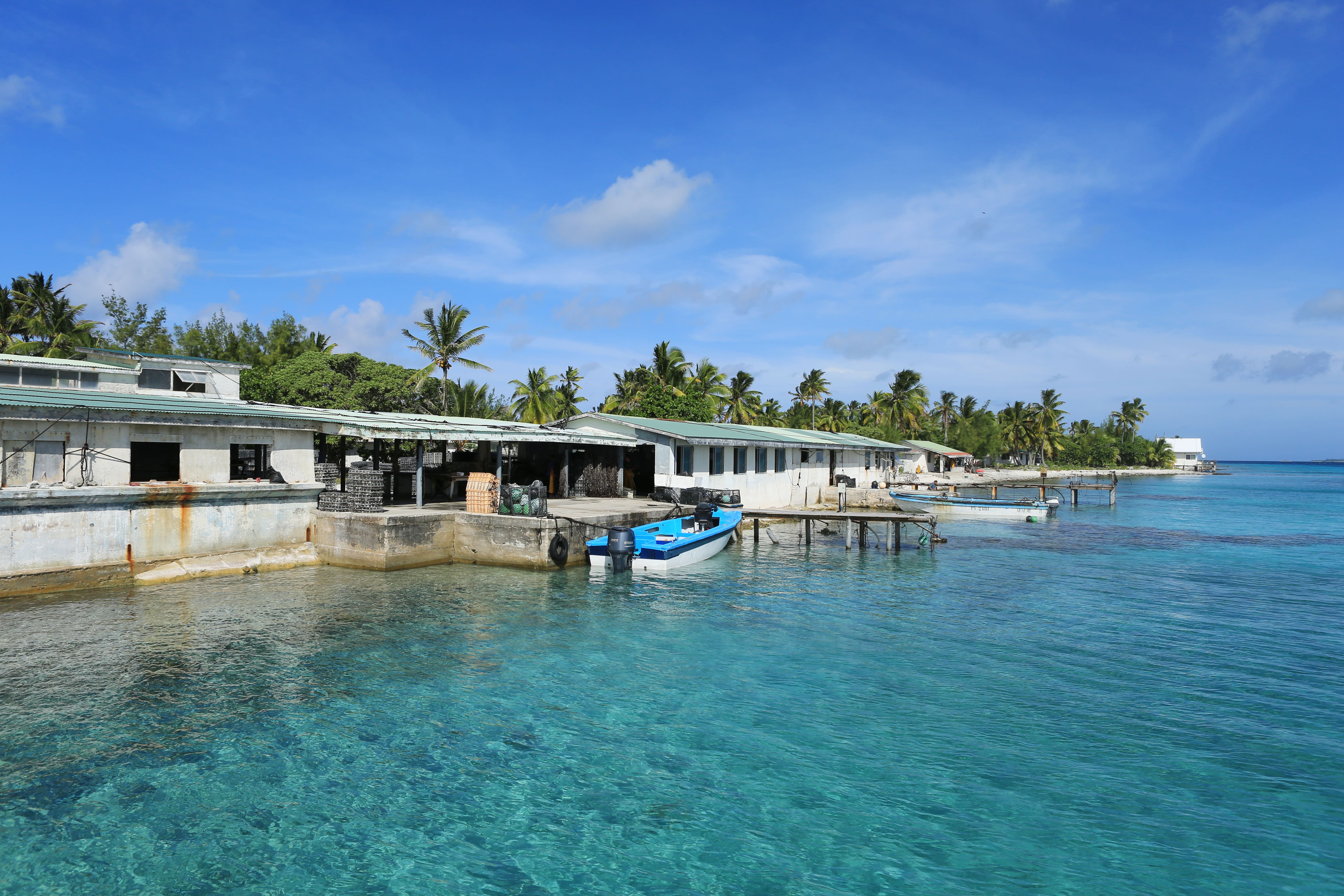
Pearl farming, Wan explains, is unlike virtually any other luxury enterprise. It operates not on quarterly projections but on the rhythms of nature. An oyster takes two years to develop before grafting can even begin. After grafting, the delicate surgical process by which an irritant is introduced to prompt nacre formation, the oyster must remain in the water for another two years before the pearl is ready for harvest. Nearly four years for a single gem. "This long cycle demands discipline, passion, and attention to detail," Wan says, qualities he has worked to instill not just in his farming teams, but in his children and grandchildren, who are now active in the business.
The brand's philosophy rests on an uncompromising approach to production standards. Where other producers might rush cultivation or accept lower-grade harvests to meet demand, Robert Wan refuses. His farms maintain strict density controls in the lagoon, a decision as much ecological as aesthetic. "A lagoon has its limits," he says plainly. "If it can support one million oysters, you must not place two million. Overproduction pollutes the lagoon and destroys the ecosystem." The consequence, he notes, is irreversible: "Once damaged, recovery is very difficult."
This restraint is what produces the extraordinary quality associated with Robert Wan pearls, particularly the brand's celebrated "Connoisseurs" collection of exceptional bare pearls, selected for their nacre thickness, luster, and the rich, complex overtones that make Tahitian pearls unlike any other gem on earth.
For much of the twentieth century, Tahitian pearls were admired within the Pacific but lacked formal international standing in the luxury world. Wan changed that. One of his most consequential early moves was forging a collaboration with the Gemological Institute of America in the 1970s, the GIA, whose grading standards are recognized as the global authority on precious stones. That partnership produced an educational framework for assessing Tahitian pearls based on nacre thickness, luster, and overtone, effectively giving the pearl the scientific and commercial credentials it needed to compete on the world stage.
"A major milestone was our collaboration with the GIA," Wan recalls, "which helped establish Tahitian pearls as an international jewel. This recognition elevated the pearl on the global luxury stage." The achievement was foundational. Without it, the subsequent expansion into American, Japanese, and eventually Chinese markets would have been far more difficult.
Wan pressed the international case at every opportunity. He exhibited at Baselworld, the prestigious Swiss watch and jewelry fair. He organized the first-ever Tahitian pearl auction in Hong Kong in 1998, a landmark event that cracked open the Asian market at a pivotal moment of economic growth across the region. That same year, he opened the Robert Wan Pearl Museum in Tahiti, the only institution in the world dedicated entirely to this gem, welcoming tourists and travelers into the story of cultivation, craftsmanship, and the sea. In 2010, he inaugurated his first boutique in Shanghai. China, he notes today, "has become very important," perhaps the most important single market for Tahitian pearls in the world.
What makes Wan's pitch to the luxury market distinctive is not merely the beauty of his product, but its fundamental nature. Pearls, he argues, occupy a unique place among precious gems precisely because they are alive, or rather, because they come from something living. "Unlike diamonds or other stones extracted from the earth, pearls come from a living organism in the sea. They must be cultivated. This living origin gives them soul and authenticity."
That language, soul, authenticity, living, is not marketing rhetoric. It reflects a genuine philosophy about what the luxury consumer of the twenty-first century is searching for. Younger buyers, Wan observes from his boutiques in Bora Bora, "prefer modern designs and accessible prices, while still seeking quality." Experience, story, and provenance matter as much as the object itself. "Today, it is no longer just about selling a Tahitian pearl, it is about offering an experience, an immersion, expertise, and above all, a story."
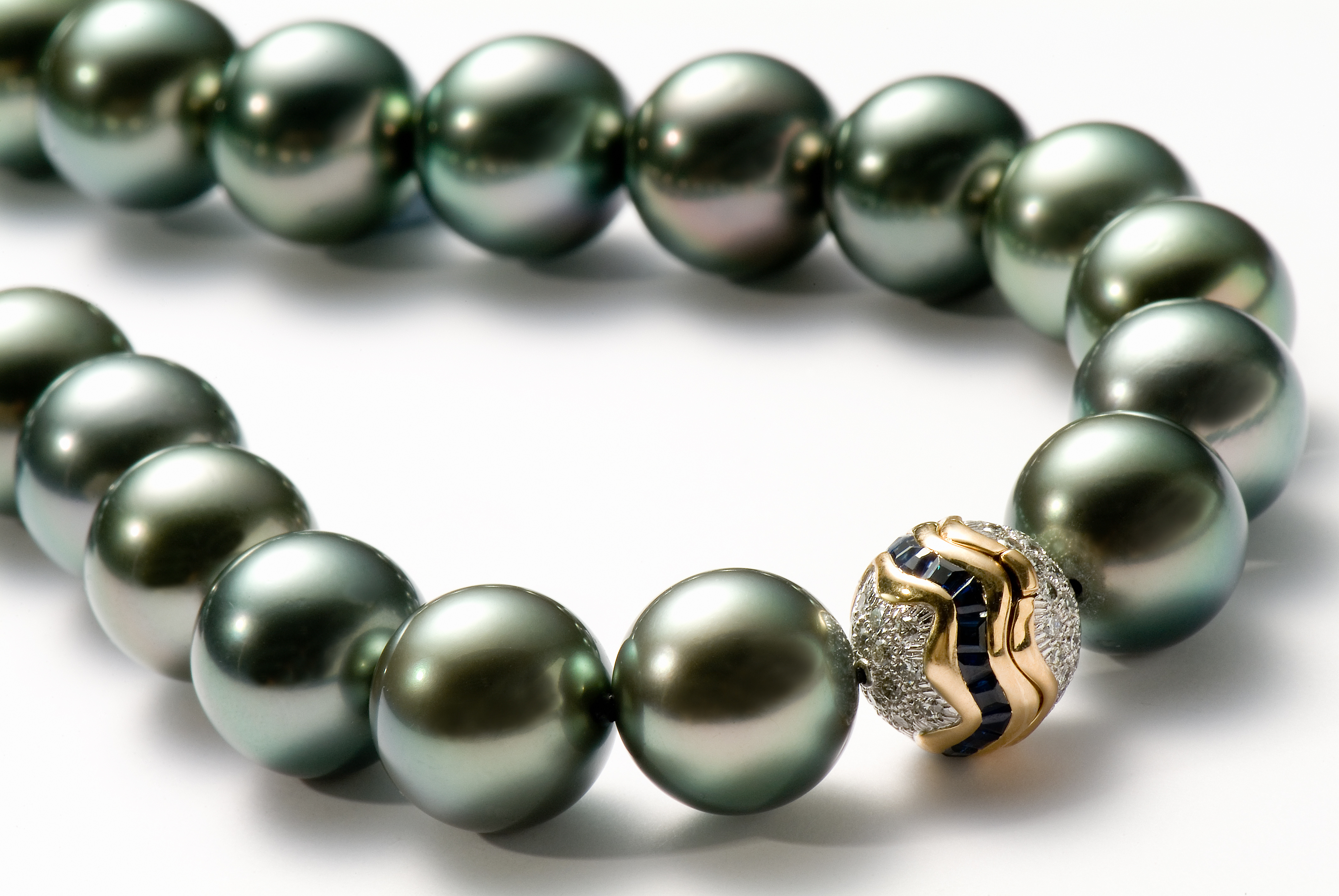
His ambition has always been to position Robert Wan alongside the names that define global luxury. It is a benchmark he pursues not through marketing spend alone, but through the relentless elevation of the product. "My ambition has always been for Robert Wan to stand alongside major luxury houses," he says. "But for that, quality must be impeccable."
As the brand looks to the future, investment in sustainable hatchery systems is reducing plastic emissions in the lagoons and preventing the kind of ecosystem saturation that has degraded other pearl farming regions. The long-term vision is to use hatcheries to raise oysters to a grafting-ready stage before they ever enter the lagoon, preserving the water environment exclusively for the cultivation phase. It is the kind of forward-thinking husbandry that has defined Wan's approach from the beginning.
Robert Wan has a message that cuts through the noise of trend cycles and fleeting fashions. "The pearl is eternal," he says. "It has existed since ancient times and will continue to exist and fascinate, but only if we maintain quality." Quality, in his definition, is measurable: nacre thickness, depth of luster, richness of color, and above all, time. Time in the water. Time in the lagoon. Time in the hands of people who understand what they are tending.
"We protect the lagoon, the oyster, and the craftsmanship behind each pearl," Wan says. "That is how the Tahitian pearl remains a symbol of authenticity, excellence, and refined beauty, born of the sea, living, and timeless."
In a luxury world increasingly crowded with imitation and shortcuts, that is a rare kind of promise. And after more than fifty years in the lagoon, Robert Wan is still keeping it.


