
1. French bee has positioned itself as a long-haul low-cost carrier connecting France, the United States, and select overseas destinations. What is your overarching vision for the airline, and how do you see its role evolving in the global aviation landscape?
We have experienced masterful growth since opening our route to Réunion. Today, we serve seven long-haul destinations. Our ambition in air transport is not only to offer the best possible price to our customers but also to provide a service model that meets their needs both in-flight and throughout their journey.
2. Los Angeles is a key destination in your transatlantic network. How strategic is the Los Angeles market for French bee, and how does it serve as a gateway to the U.S. West Coast?
Los Angeles is our fourth long-haul destination after New York, Miami, and San Francisco. It’s an iconic city, with many French travelers looking to rediscover the American West Coast. The L.A.–San Francisco connection is a strong component of our network. We opened the route more than five years ago, and it has become one of our key routes for French travelers. Importantly, American customers also use French bee to fly to Paris and explore France, so we serve both French and American passengers on this route.
3. Your Paris–Los Angeles–San Francisco–Papeete route has become a vital link between Europe and the Pacific. What strategic importance does the San Francisco stopover play?
The San Francisco stopover is crucial. In 2025, we transported 66,000 passengers between Paris Orly and Tahiti and 30,000 between San Francisco and Papeete. This connection between Americans and French Polynesia is important. There’s no alternative direct route from San Francisco to Tahiti, so our service is strategic for connecting these markets.
4. When evaluating new long-haul routes, what are the key criteria you consider?
We focus on four main factors: iconic destinations, market demand, tourist flows, and diaspora connections. We rely on routes that typically exceed one million passengers per year. With our Airbus A350 aircraft, which have more than 400 seats, it’s essential to operate where traffic volume allows us to fill planes year-round.
5. Looking ahead, do you see opportunities for further expansion in the United States or additional Pacific destinations?
One of French bee’s strengths is our agility. Even though we are approaching 10 years, we remain a young company, able to adapt to client requests. We continually evaluate opportunities to open new routes depending on market demand and political situations.
6. The long-haul low-cost segment is highly competitive. How does French bee differentiate itself from legacy carriers?
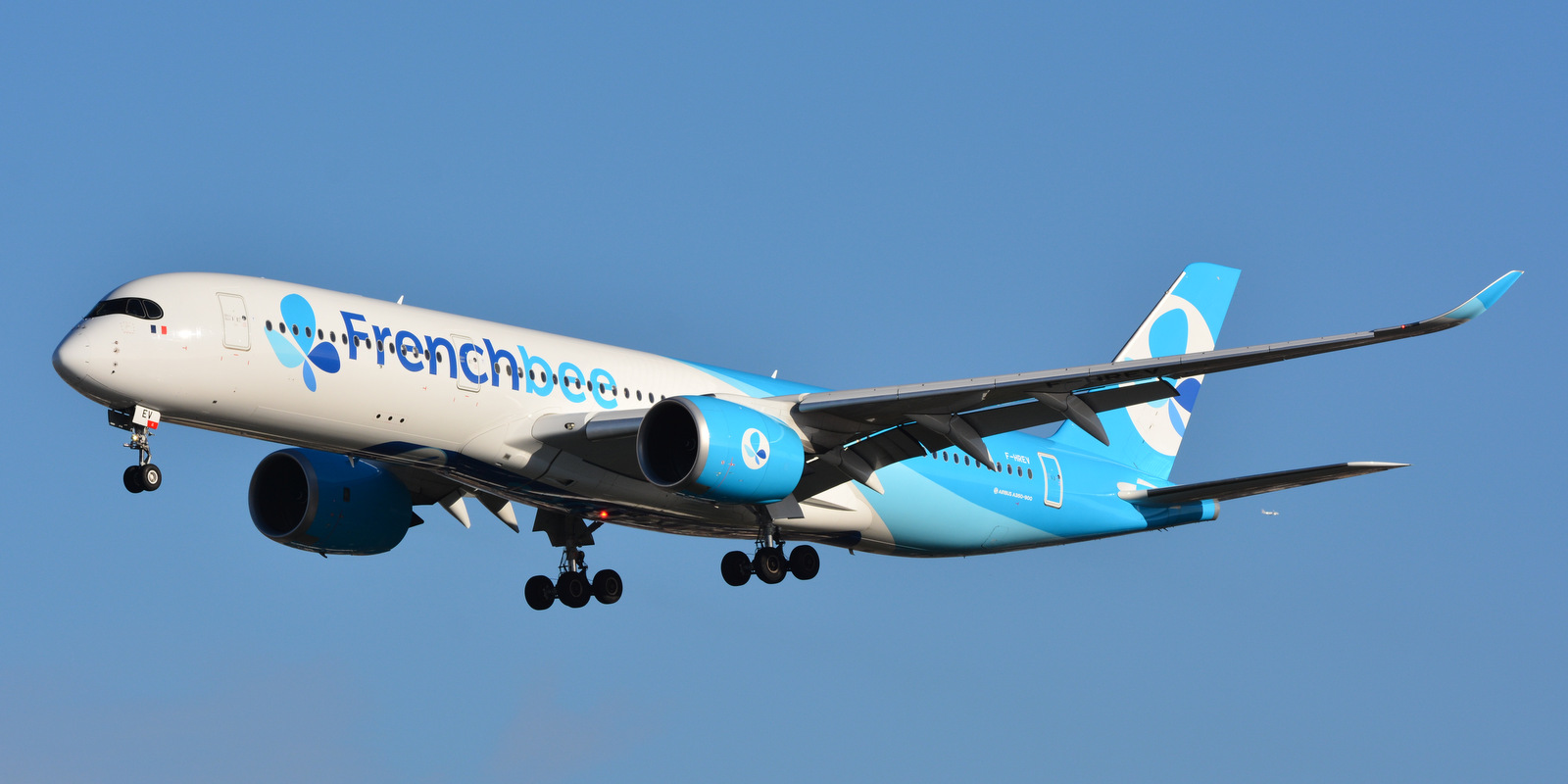
We aim to offer the same quality of travel as legacy airlines. Our Airbus A350s feature the latest in-flight entertainment, Wi-Fi, and data services. Our positioning is competitive thanks to modern aircraft and an efficient cost model, which allows us to offer excellent prices to our customers.
7. Fleet modernization has been central to your business model. How do new-generation aircraft contribute to efficiency and competitiveness?
100% of our fleet consists of Airbus A350s, making us one of the first airlines globally to operate a fleet entirely of these aircraft. They consume 25% less fuel and emit 25% less carbon than previous generations. This helps us control costs, reduce emissions, and maintain competitive pricing.
8. Sustainability is increasingly critical in aviation. What concrete steps is French bee taking to reduce its environmental footprint?
Beyond fleet renewal, we have a “Green Team” dedicated to initiatives that optimize fuel consumption, flight paths, and pilot practices. Technology combined with engaged teams helps us continuously reduce emissions and our carbon footprint.
9. Beyond transportation, how does French bee contribute to tourism growth and stronger economic ties between Europe, the U.S., and French Polynesia?
From the outset, French bee aimed to increase traffic between destinations. For instance, our entry into Tahiti boosted traffic between the U.S., France, and French Polynesia. We have similar ambitions for Réunion and continue to make travel more accessible, even on highly competitive U.S. routes.
10. Finally, what message would you like to share with Los Angeles Times readers about French bee’s ambitions?
Since our launch, we’ve served California from San Francisco to Tahiti. French bee offers modern aircraft and competitive pricing. What you save on your ticket can be spent enjoying your final destination.
11. Is there anything else you’d like to highlight?
We opened the Tahiti route in May 2018, and our teams are extremely proud to serve this destination. The growth is positive, and we recently decided to increase frequencies. Next summer, French bee will operate four flights per week between Paris and Tahiti.


