
1. How would you describe the project and the vision guiding this initiative by Grupo Puntacana?
Punta Cana Free Trade Zone is a free zone specializing in the aeronautical and logistics sectors. In fact, it is the first free zone of its kind to be located within an international airport. It is the first logistics and industrial park established inside an international airport, namely Punta Cana Airport, which, as you may know, is the most dynamic airport in the region, currently handling approximately 900 flights per week, with direct services to more than 85 destinations.
The idea behind Punta Cana Free Trade Zone emerged from the desire to capitalize on the airport's infrastructure, connectivity and air services by developing an industrial park whose primary objective is to establish itself as a regional aeronautical and logistics hub, attracting companies operating in these sectors.
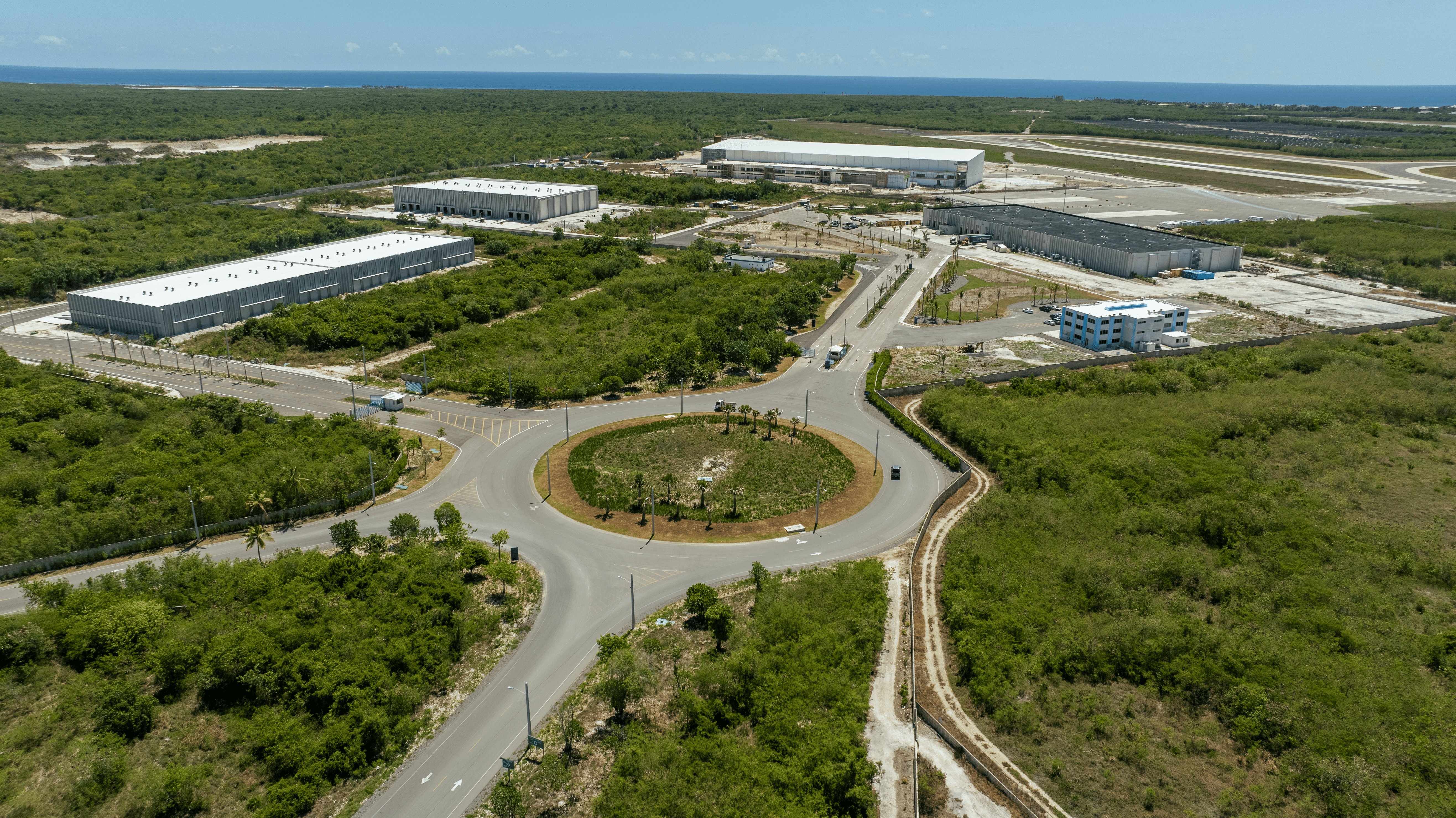
The park covers a total area of 742,000 square meters and is divided into five business units.
The first and most important is the air cargo hub, which comprises the airport's cargo terminal and operates as a free zone company within the industrial park. This represents a significant advantage for companies established here, as they can move their goods from their facilities to the cargo terminal in literally a matter of minutes, generating substantial savings in ground transportation costs and reducing import and export times.
The second major area is aircraft maintenance, known internationally as Maintenance, Repair and Overhaul (MRO). This facility is already being operated by FL Technics, a multinational company and a major player in the aircraft maintenance industry. It occupies an area of approximately 71,000 square metres.
We also have an area dedicated exclusively to supplying fuel to cargo aircraft. One of its key advantages is that the fuel supplied to these aircraft is exempt from taxes. The objective is to attract more cargo aircraft and make air freight transportation more competitive throughout our region.
Our ambition today is to connect South America with North America and Europe through Punta Cana Airport, leveraging its significant logistics activity and connectivity.
Ultimately, our vision is to position Punta Cana Free Trade Zone as the leading logistics and aeronautical hub in our region, creating added value while developing new industries and technologies in the Dominican Republic.
2. Punta Cana Free Trade Zone is the first free zone integrated within an international airport in the Caribbean, as you mentioned, with an investment exceeding US$200 million. What makes it unique, and what did it mean to conceive a logistics center within the airport itself?
As I mentioned earlier, what makes us unique is our location and our ability to operate within one of the most important airports in our region.
Another distinguishing factor is the combination of complementary services we offer. These include aircraft maintenance, air cargo logistics, fuel supply, the manufacturing of products primarily transported by air, distribution solutions and e-commerce fulfilment.
This combination of industries, together with the benefits of operating within the free zone and having access to complementary services, is perhaps what makes us unique and attractive to companies in these sectors.
3. How does the proximity between warehouses and the cargo terminal, allowing goods to be transferred within minutes, benefit air freight, transshipment and e-commerce operations?
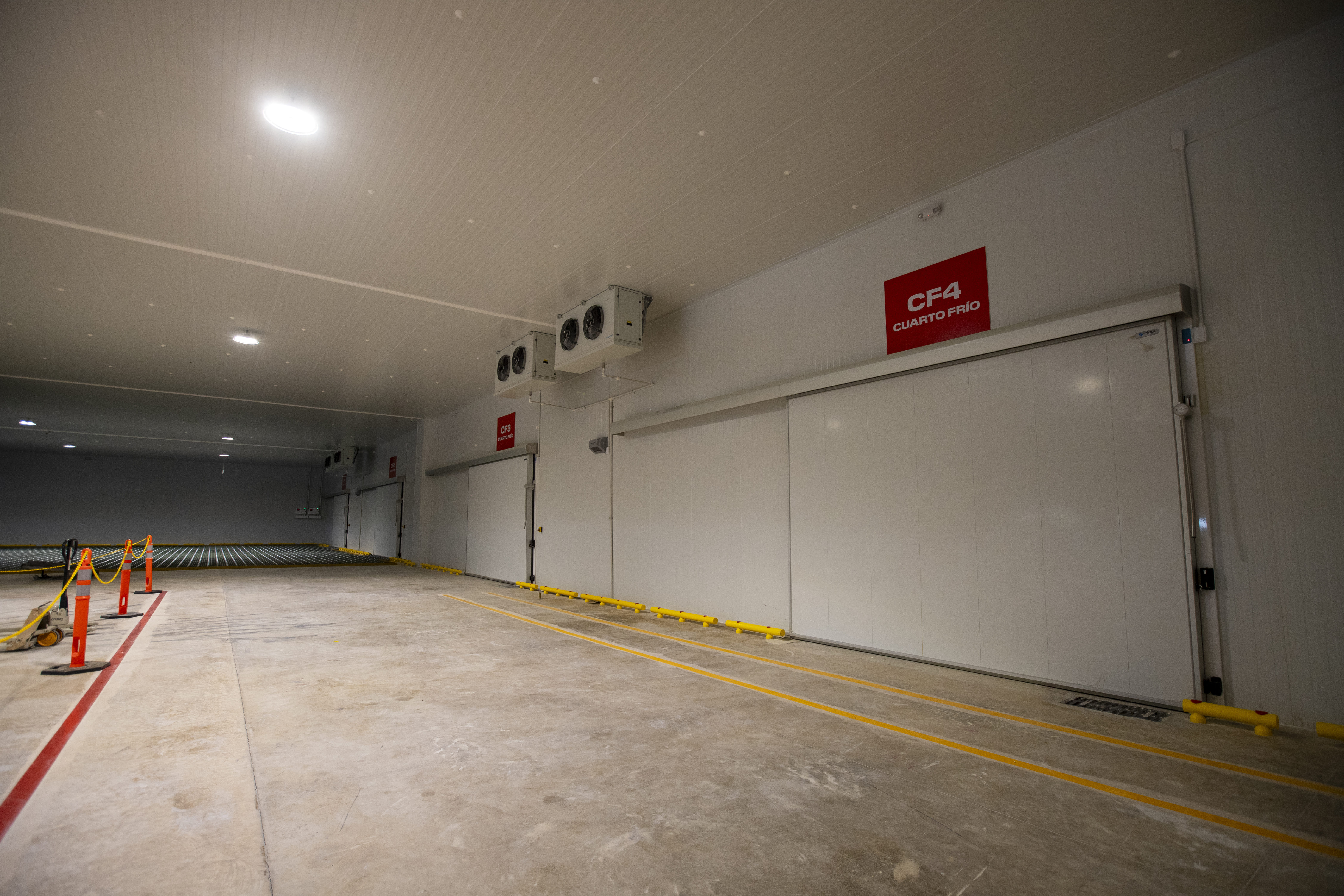
As I mentioned, our warehouses and manufacturing and production facilities are located just minutes away from the cargo terminal, at a distance of less than 200 meters. This is complemented by an efficient and agile customs services framework.
As a free zone, we benefit from streamlined procedures that facilitate the movement of goods.
We can compare this with other air cargo hubs, such as Miami International Airport, where significant volumes of merchandise are also handled. However, in many cases, warehouses and inventories are not located within the airport itself. In our case, they are.
This is a major competitive advantage over other logistics hubs operating in the vicinity of international airports.
The same applies to e-commerce. Punta Cana Airport is served by approximately 37 airlines, alongside three dedicated cargo handling terminals.
Consider the products that Latin American consumers purchase in the United States, North America, Europe and Canada. These goods could be transported rapidly towards South America, taking advantage of Punta Cana's extensive air connectivity with both regions.
This connectivity is one of the key attributes that makes us competitive in handling and distributing e-commerce goods throughout our region.
4. The complex incorporates advanced manufacturing and aeronautical services. What role do value-added manufacturing and aircraft maintenance (MRO) play in developing new high-value industries within the free zone?
These are complementary services and business units.
On the one hand, the MRO facility is the first of its kind to be established in the Dominican Republic. Through this project, we are creating an entirely new industry that requires professionals in engineering, aerospace, industrial engineering and other specialized fields. This will help strengthen the capabilities of Dominican talent while facilitating the transfer of knowledge.
With this new company established in the country, other businesses will also become interested in setting up operations here, knowing that, over the coming years, a qualified local workforce will be available to support their activities.
There is also an interesting synergy between manufacturing and aircraft maintenance. When we talk about aircraft repairs, we are referring to an industry that requires a considerable number of components and materials.
The free zone can accommodate manufacturers of these components, who will naturally see a significant opportunity in establishing themselves within the same industrial park where aircraft maintenance services are provided.
Operating within a free zone, benefiting from the associated incentives and supplying components and materials to a company of FL Technics' scale, located just a few meters away, represents a very attractive proposition for businesses in this sector.
5. Punta Cana Hub also introduces a knowledge-based economy dimension. What does this innovation center involve, particularly in terms of developing specialized technical skills and technological capabilities?
Aircraft maintenance is an industry that requires highly skilled professionals with advanced technical knowledge.
The establishment of this company means that we must promote and develop a training platform for technicians and professionals in these fields, which are increasingly intensive in their use of technology.
We are currently in discussions with national and international universities to establish a training platform here in Punta Cana, focusing on the sectors I have mentioned.
This will undoubtedly increase the added value of the country's manufacturing and service exports. Aircraft maintenance services carried out within the free zone become part of the aircraft's operational processes before it returns to service anywhere in the world.
Consequently, this activity contributes directly to increasing the added value of the Dominican Republic's service exports.

6. The free zone also aims to diversify the economy of the eastern region beyond tourism. How can logistics, industry and innovation complement Punta Cana's established tourism strengths?
It is precisely thanks to the tourism industry that such important air connectivity has been developed.
I would also point out that tourism generates significant demand for logistics services, including warehousing, inventory management and the handling of goods.
Our free zone has the capacity to accommodate logistics operators that can manage and improve the efficiency of products and merchandise for the tourism sector. This applies not only to Punta Cana's tourism industry but also to the wider La Romana area.
Consider the many Caribbean islands located close to the Dominican Republic, as well as countries such as Mexico. From Punta Cana, we can serve their demand for logistics services, including warehousing, value-added logistics, product labelling, packaging and other related activities.
I therefore believe that the free zone can play an important role in making tourism operations more efficient through integrated logistics solutions.
7. The ecosystem is supported by partnerships with customs authorities and DP World. How do you integrate air and maritime logistics within the complex, and what does customs integration bring to the operation?
Our air cargo terminal is operated by DP World, a world-class company in logistics services, with a global presence and more than 180 terminals operating around the world.
We created this joint venture precisely to work with a partner that has the expertise, international recognition and experience required in the logistics industry.
Together with DP World, we have developed a service framework involving the government agencies that maintain a physical presence within our facilities. As a result, the entire inspection process and the movement of goods through the terminal are handled directly by personnel located on-site.
Furthermore, because we operate as a free zone, we benefit from streamlined procedures that facilitate the movement of merchandise.
8. Nearshoring is opening up new opportunities for employment and talent development. How many jobs could the project generate, and how are you investing in Dominican talent and knowledge transfer?
Our objective is to generate approximately 9,000 direct and indirect jobs over the next seven to eight years.
Nearshoring creates opportunities as companies in the sectors in which we operate, particularly aeronautics and logistics, relocate activities and supply chains that were previously based elsewhere in the world towards the Western Hemisphere.
This allows them to serve the world's largest market, the United States, more efficiently.
Having this free zone located just two hours by air from Miami, one of the most important aviation connectivity hubs in the United States, places us in a very favorable position. We can complement existing operations in the United States while offering companies a geographical proximity that they do not enjoy when operating from the Far East or other parts of Asia.
9. This publication will be distributed during the World Government Summit in Dubai in February next year, with DP World already present in the project. What potential do you see for attracting further logistics, aeronautical and technology investment from the United Arab Emirates and the wider Gulf region?
This is already happening. As I mentioned earlier, DP World is one of the largest logistics companies in the world.
It has an extensive network of partners and clients across numerous countries, many of whom are currently looking for new ways to make the movement of their goods more efficient.
Our partnership with DP World opens the door to closer relationships with companies and business partners not only in the United Arab Emirates but throughout the wider Gulf region. DP World's international reputation and expertise in the logistics industry provide us with an important platform for developing these connections.
10. Finally, what message would you like to convey to Gulf News readers about why Punta Cana Free Trade Zone's unique model makes the Dominican Republic an attractive platform for Gulf investment in logistics, manufacturing and industry?
First and foremost, I believe the main message is that Punta Cana is not only a tourism destination; it is also a business destination and a place where companies can establish industrial production and logistics activities serving the global market.
That is the most important message I would like to convey.
Our free zone is unique in the Dominican Republic. We do not compete directly with traditional industrial parks that attract conventional manufacturing activities. When it comes to manufacturing, our focus is on products transported primarily by air, for which being located close to or within an international airport offers significant advantages.
That is precisely what makes us different: our connectivity and our ability to offer world-class infrastructure within the most dynamic airport in the region.
We are helping transform the perception of Punta Cana, traditionally recognized worldwide as a tourism destination, into a destination increasingly focused on technology development, manufacturing and logistics services.


