
For decades, tourism has shaped the global image of French Polynesia. Yet beyond its iconic lagoons and islands, the territory is building a broader economic future. At the center of this transformation is the Economic Development Agency (ADE), which works to attract investment, support entrepreneurs, and guide long-term diversification.
"The Economic Development Agency is a public institution under the supervision of the Ministry of Economy and Finance of French Polynesia," explains ADE Director Hinano Teanotoga. "Our main mission is to support project leaders and investors, both local and international, in implementing their initiatives throughout the territory."
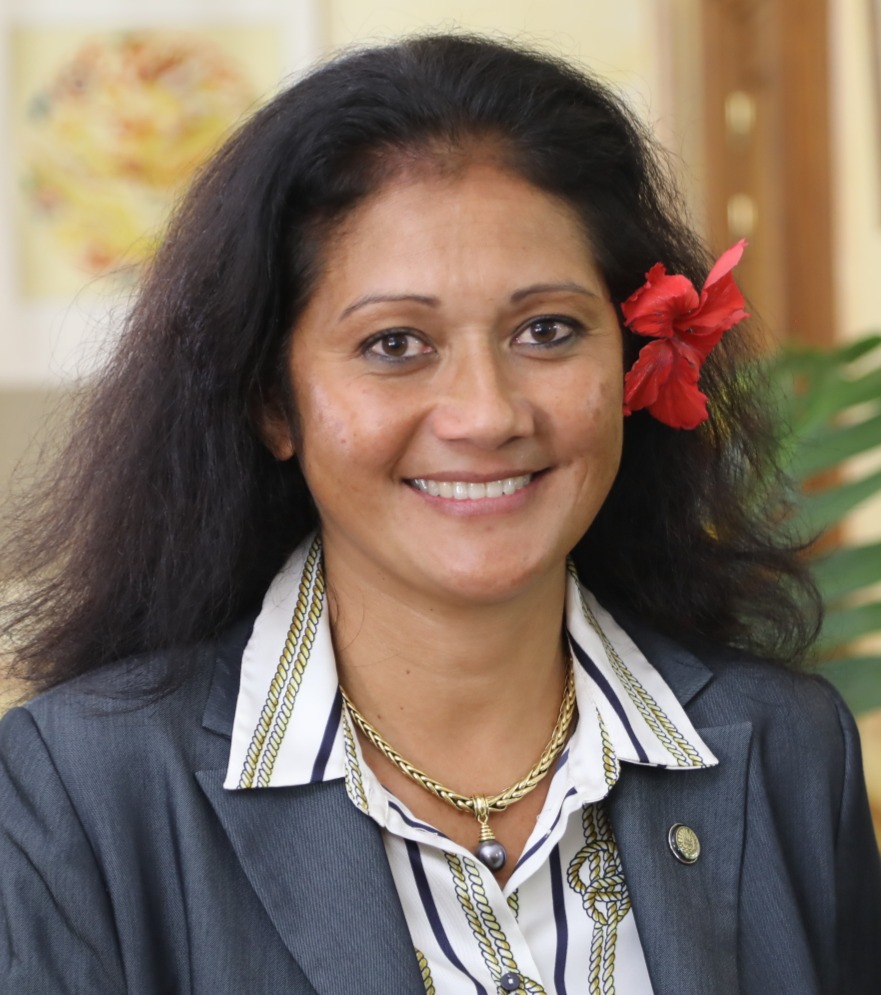
Acting as a bridge between government and business, ADE provides strategic support for investment projects. "The ADE acts as a one-stop shop for investors, facilitating dialogue between the public and private sectors," Teanotoga says. "We provide support with administrative procedures and give access to regulatory frameworks, economic data, incentive schemes, and information on priority sectors."
ADE also coordinates the territory's long-term economic roadmap. The CAP 2033 strategy identifies tourism, primary industries, digital and audiovisual sectors, and energy as key drivers of diversification. According to Teanotoga, the goal is "to foster sustainable and inclusive growth, create employment opportunities, and ensure that economic benefits are equitably distributed across all archipelagos."
.jpg)
Tourism will remain central to the economy, but the strategy emphasizes quality rather than mass tourism. "Our ambition is to welcome 450,000 visitors per year by 2033, with an approach based on quality over quantity," she explains, highlighting the development of high-end resorts, guesthouses, and cruise tourism while protecting ecosystems and cultural heritage.
Beyond tourism, the blue economy is emerging as a powerful growth engine. French Polynesia administers nearly five million square kilometers of ocean, known as Te Tainui Atea. "Our fishing industry is strictly regulated and based on principles of sustainability," Teanotoga says, noting that longline fishing is permitted with an MSC label while purse seine and shark fishing are prohibited.
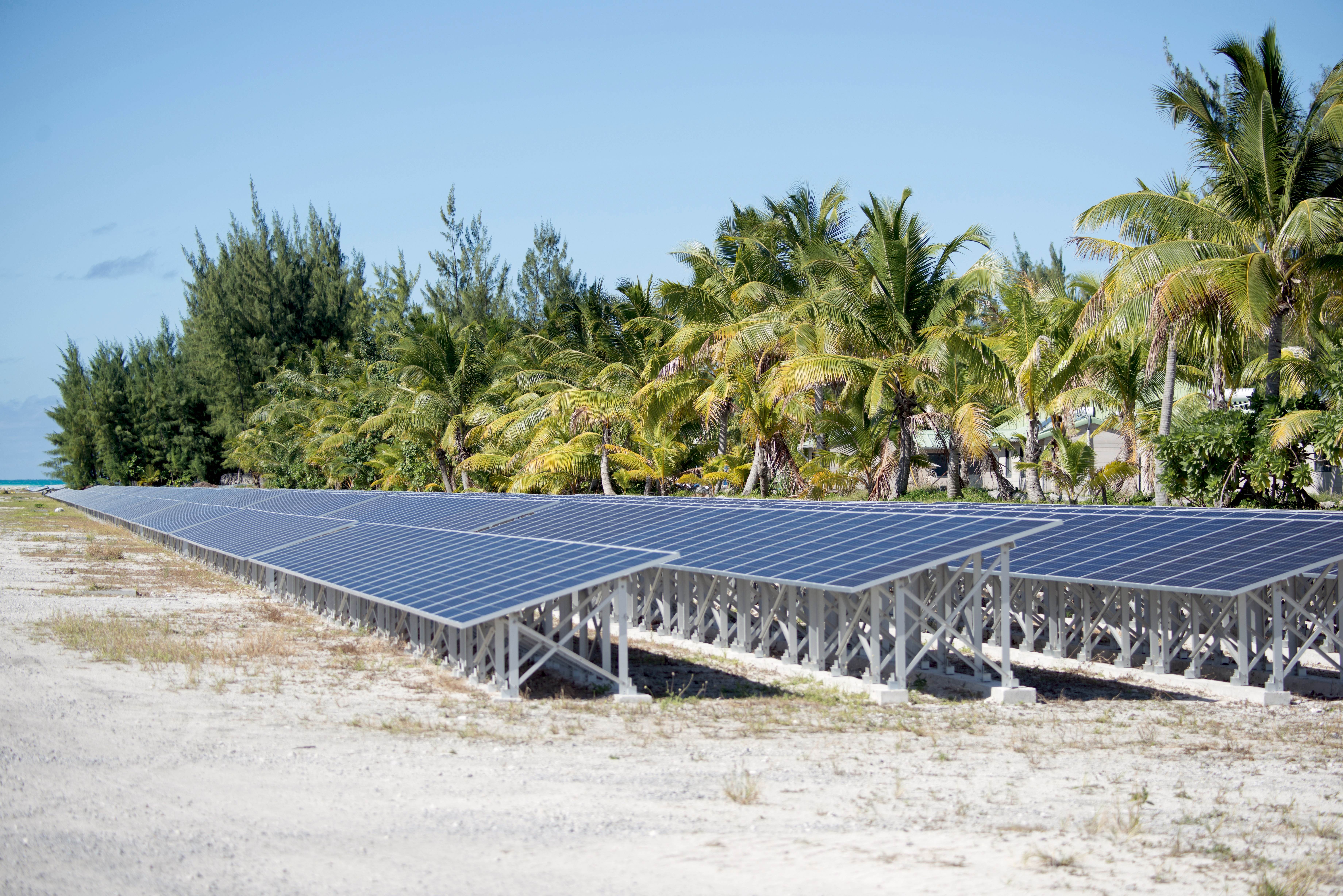
Renewable energy is another priority. "In 2025, we achieved nearly 50% of renewable energy in our electricity mix and our goal is to reach 55 to 60% by 2030," she explains. Technologies such as SWAC (Sea Water Air Conditioning), which uses cold deep-sea water to cool buildings, are already being deployed in major hotels and public facilities.
Looking ahead, ADE aims to position the territory as both a world-class destination and a hub for sustainable innovation. "French Polynesia is much more than an exceptional destination," Teanotoga concludes. "It is a territory actively shaping an economic model aligned with the major challenges of our time."


