
There are places you visit, and places you feel. In Bora Bora, Bloody Mary's has long belonged to the latter. What began as a laid-back lagoon-side restaurant in 1979 has grown into one of the island's most enduring cultural landmarks, a place where barefoot elegance meets spontaneous connection. Now, with the upcoming Bloody Mary's Hotel, that legacy enters a new chapter.
For decades, the restaurant has been synonymous with the island itself. Its origin story is almost cinematic. Guests from the former Bora Bora Hotel, once the island's only five-star property, would leave their secluded luxury at night and walk, flashlights in hand, to Bloody Mary's. They came seeking something different: authenticity, energy, and a sense of place that no resort could replicate.
That simple ritual sparked something bigger. Celebrities followed. Stories spread. A legend was born.

"Bloody Mary's has always been about people coming together naturally," says General Manager Julien Bressolles. "It's a place where there's no barrier between locals and visitors, just shared moments."
Over time, the restaurant became a rite of passage. No matter where travelers stayed, a visit to Bloody Mary's was essential. The promise, however mythical, of crossing paths with a famous face only added to its allure. But what truly sustained its reputation was something deeper: its authenticity.
The experience remains unchanged in spirit. Sandy floors, thatched roofs, communal tables, and the iconic display of freshly caught fish, sourced directly from local fishermen, create a setting that is both simple and unforgettable. Guests select their fish, watch it prepared, and settle into an evening that flows effortlessly from dinner into conversation, music, and laughter.
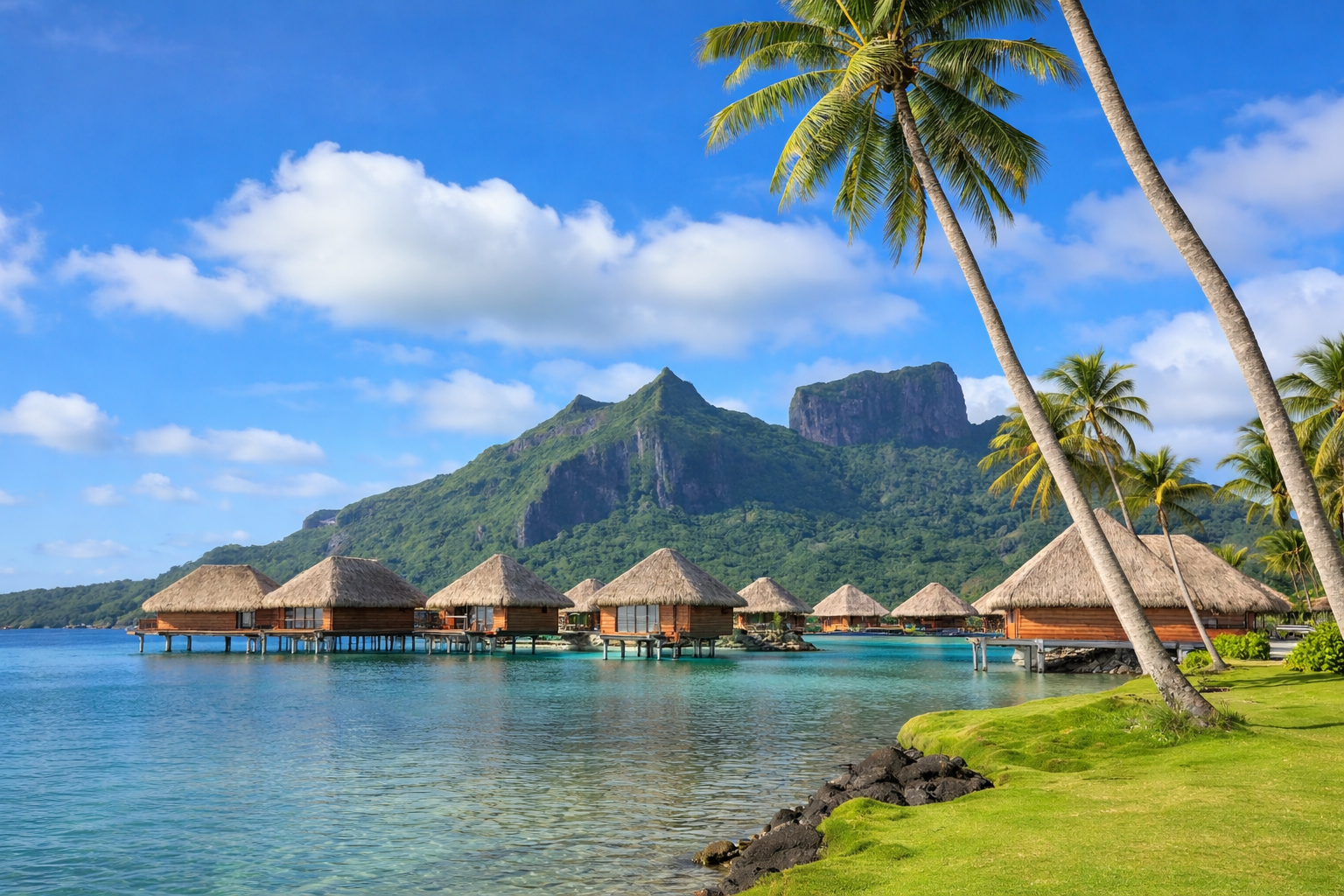
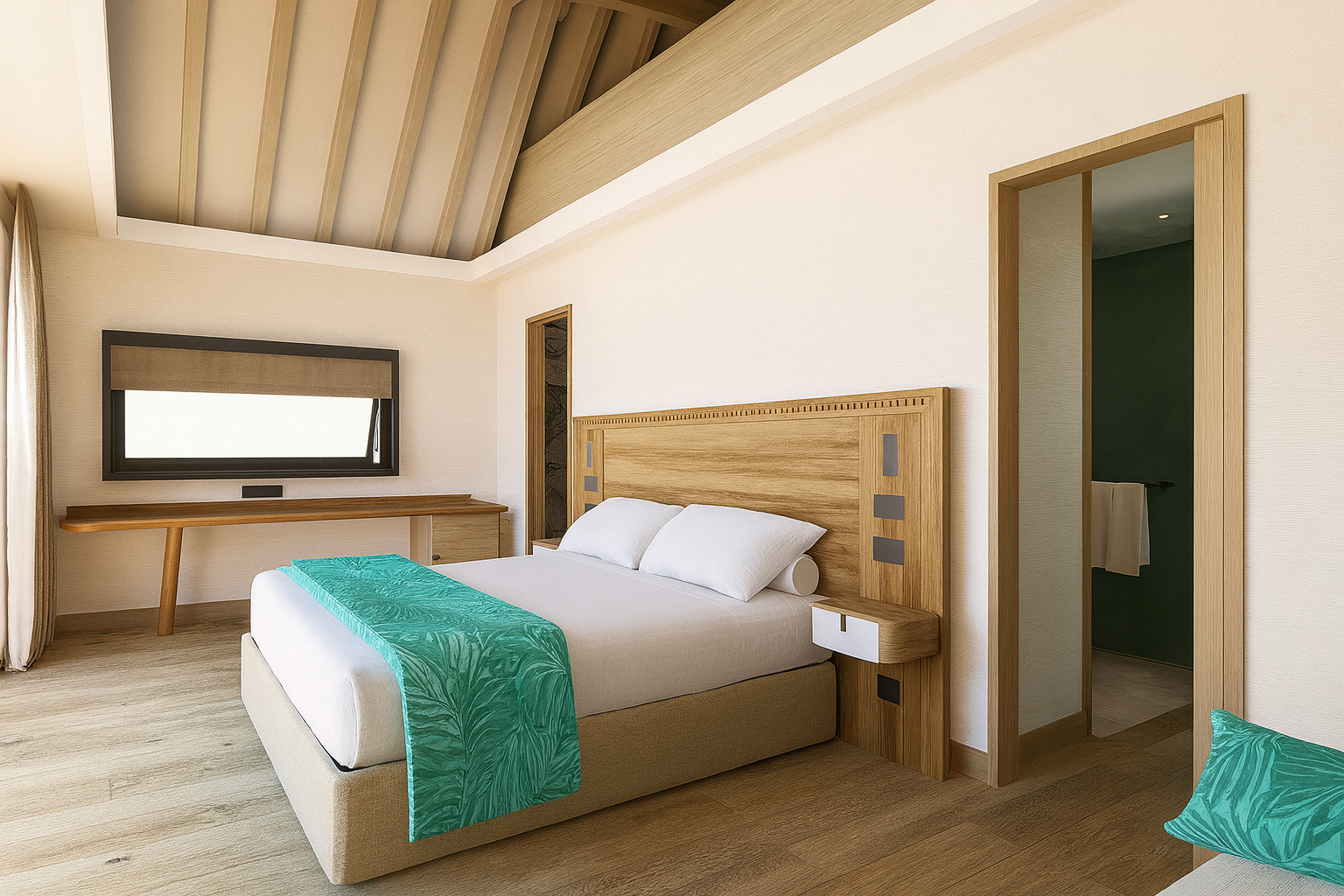
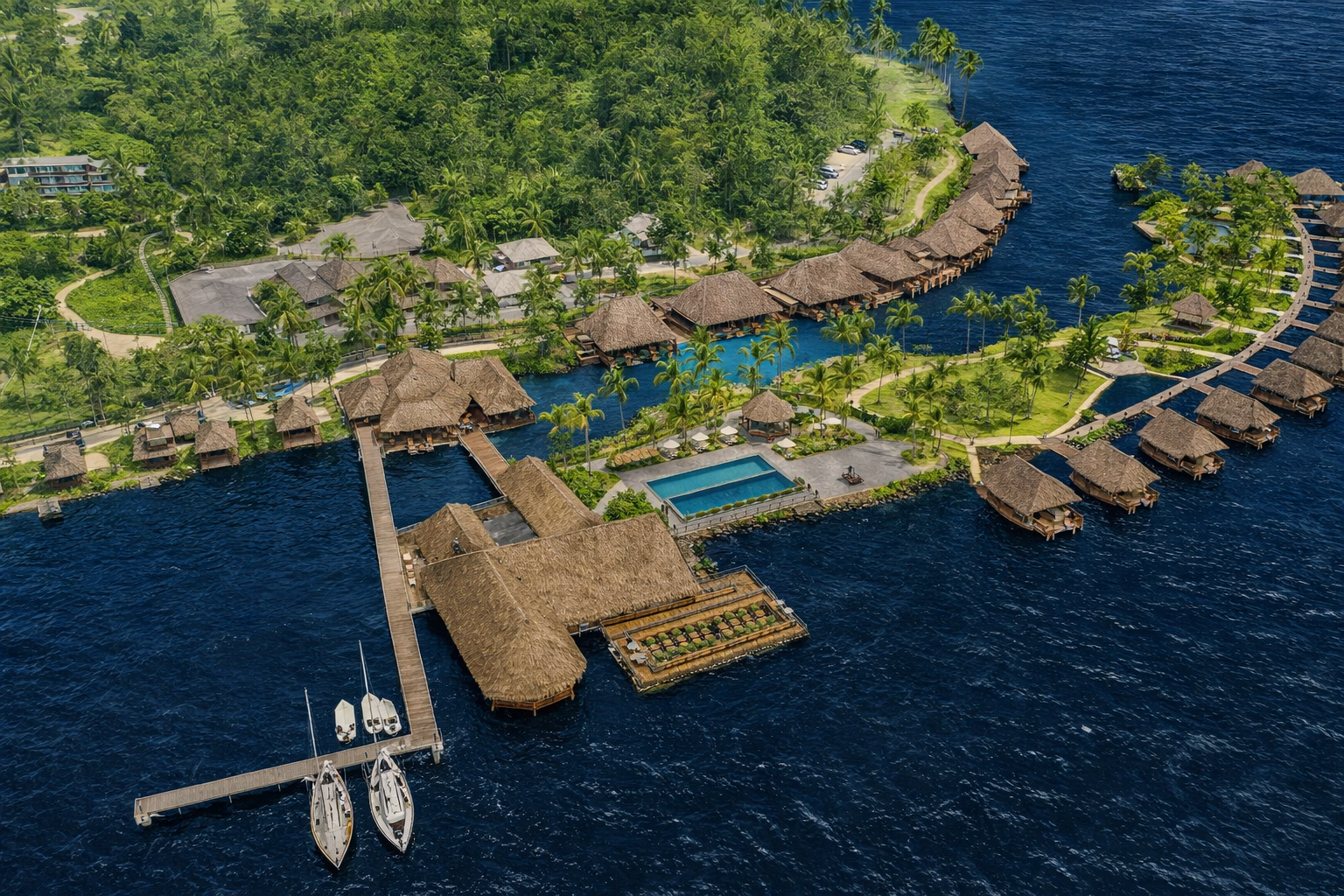
Now, that philosophy is expanding beyond a single evening. The Bloody Mary's Hotel, set to open with 53 rooms, bungalows, and suites, is designed as a natural continuation of the restaurant's identity. The project is rooted in decades of connection with the island and aims to extend that sense of belonging into the guest experience.
Importantly, this evolution is not entirely new. In the early days under founder Baron George, a few bungalows already existed near the restaurant, an early glimpse of what Bloody Mary's could become. Today's hotel builds on that original vision, transforming it into a fully realized hospitality concept.
Rather than isolating guests, the hotel invites them into the rhythm of island life. Located on Bora Bora's main island, it offers proximity to local markets, beaches, and everyday Polynesian culture, something often missing from more remote luxury resorts.
"We didn't want to create another place where guests feel disconnected," Bressolles explains. "The idea is to be a crossroads, where people meet, exchange, and experience Bora Bora as it really is."
This approach reflects a broader shift in luxury travel. Today's visitors, especially those from California, the hotel's primary market, are seeking more than just pristine views. They want meaning, sustainability, and cultural depth.
Bloody Mary's is responding with a strong commitment to environmental responsibility and local integration. From short supply chains that prioritize Polynesian products to innovative sustainability initiatives, including coral reef restoration in partnership with scientists and local students, the project aims to protect the very ecosystem that defines Bora Bora.
Yet for all its forward-thinking ambitions, the essence remains unchanged. At Bloody Mary's Hotel, luxury is not about exclusivity. It is about connection, to people, to place, and to the moment itself.
As Bressolles puts it, "Bora Bora is not just a destination. It is a living island. We want people to come for the beauty, but stay for the human connection.


